
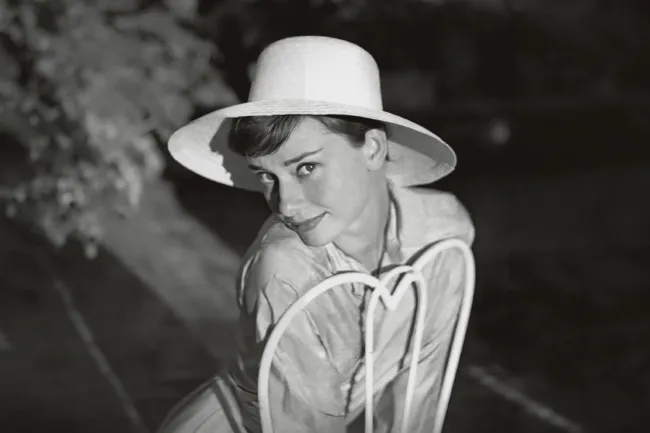
This book brings together her personal story, her family's reflections on her philosophy of life, and is also an intimate portrait of how she lived away from the spotlight.
Among the more than three hundred books written about the phenomenon that was British actress Audrey Hepburn, none has truly captured the essence of the woman who rose from the ashes of war to become a symbol of female emancipation, resilience, and authenticity.
A revealing biography, the first co-written by her son Sean Hepburn Ferrer and bestselling biographer Wendy Holden, shares the essence of Audrey as a woman through key moments in her life. Interspersed with candid photographs, including dozens taken with her Polaroid Instamatic camera—many never before seen—Holden, who specializes in writing about extraordinary women, examines the devoted mother and wife who, behind the glamorous facade, was a liberated feminist.
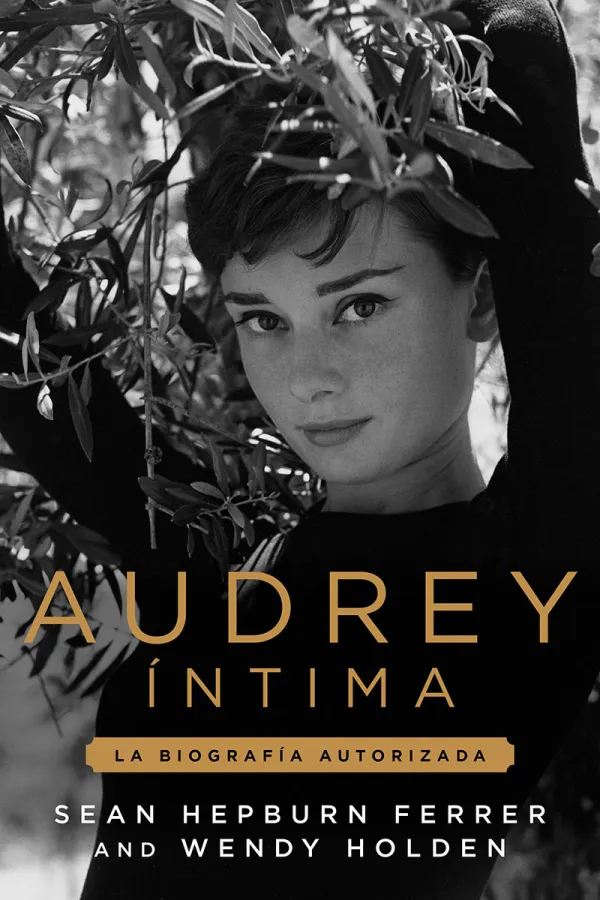
Few celebrities achieve the iconic status of Audrey Hepburn. From her humble beginnings in the Netherlands to becoming one of the greatest stars in film history, she rose to fame. Renowned for her work in classic films such as Roman Holiday, Charade, My Fair Lady, and Breakfast at Tiffany's, Audrey garnered virtually every award and accolade in the entertainment world, earning the coveted EGOT distinction.
"Not having food, fearing for your life, the bombings... taught me to value safety and freedom. In this sense, bad experiences have become positive things throughout my life," the actress said.
In a childhood marked by a constant need for affirmation and affection after being abandoned by her father, Audrey barely survived the war in Holland, very close to where Anne Frank was hiding. Convinced that no one would marry her because of her height, crooked teeth, and large feet, dance became young Audrey's escape. Forced to give up the ballet she loved so much after being freed on her sixteenth birthday, and penniless, she turned to acting before winning an Oscar for her first leading role.
Breaking stereotypes with her minimalist style, she defined a new feminine ideal and gave women everywhere permission to wear simple, comfortable clothes and flat shoes. Raised by an indomitable mother and carrying her innate style with ease, Audrey conquered the hearts and minds of all who fell in love with her charm, her class, and her aristocratic European elegance. Surprised and grateful, behind her almost childlike sweetness and dazzling smile, Audrey made innovative filmmaking choices and rejected those she didn't feel were right for her.
They were mostly empowered women fighting against the patriarchy to find their own autonomy. Strong and independent, they knew what they wanted, even if it meant divorce, death, or giving up those they loved. They were also willing to take enormous risks.
The quintessential female icon, Audrey Hepburn, represents a historic shift in Hollywood. She became a legend for her unique way of understanding and living life. She was spontaneous, passionate, courageous, independent, and compassionate. She brought a natural freshness to a world of manufactured standards, quickly becoming a role model.
Staying true to herself, Audrey—who spoke six languages and had a passion for children and dogs—always maintained her grace, humility, and femininity without ever being indiscreet.
Living like an ordinary housewife in rural Switzerland, she took her children to school, baked chocolate cake and spaghetti sauce, hiked in the mountains, took friends skiing, and lived the kind of life she had dreamed of since her troubled childhood.
In her later years, Audrey became the first major Hollywood star to travel to some of the world's most devastated countries to raise public awareness about the plight of children. She became UNICEF's most prominent ambassador, receiving the Presidential Medal of Freedom for her humanitarian work.
This book is the story of a girl who—as she herself said—"went to work and people seemed to like her." Audrey's life began and ended with war, yet she drew on those experiences and transformed them into a positive force for women and children around the world.