
Medicina y poesía
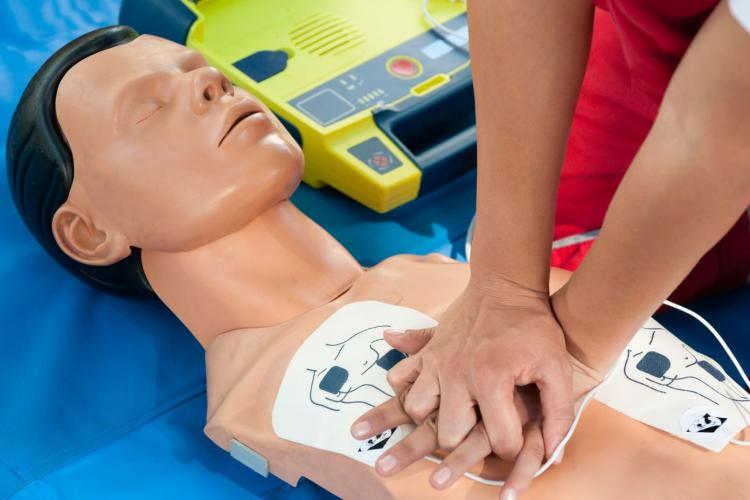
Desfibrilador (defibrillator) is a poetry collection that arrives on the back of enormous success in Mexico. It began as a self-published book in 2018 and became a phenomenon among Mexican readers, with more than 100,000 copies sold.
LinkMyriam BO
The book is structured like a medical record: from the "admission note" to the "voluntary discharge". Reading it, we accompany a 25-year-old patient whose lovesickness takes on the language of medicine: arrhythmias, tests, treatments and emergency surgery, all serving as a metaphor for heartbreak, loneliness, abandonment and sensitivity.
With an intimate, raw voice, the author, Gilraen Eärfalas, weaves poetry together with medical terminology to explore fragility, emotional dependence, the father wound and the rebuilding of the self. Medicine and literature are closely related: literature makes it possible to see the person before the diagnosis, and medicine makes it possible to see people's emotions through their symptoms.
Desfibrilador (defibrillator) is a book about heartbreak, but also about childhood, about trauma and about the need to learn not to resuscitate what has already died.
An original proposition that fuses medical terminology with emotional poetry, building a fragmented narrative that takes the form of a medical record in order to explore the grief of lost love through the physical body. With a generational voice that speaks especially closely to young readers, the text combines direct, intimate and visual language, capable of engaging both with the sensibility of contemporary poetry and with the new spaces for literary circulation on social media.
Love as a physical illness
The book translates heartbreak into the language of the body: arrhythmias, diagnoses, wounds, emergencies and treatments are used to tell the story of a break-up as though it were a clinical picture. It is a highly visual, instantly recognisable way of turning emotional pain into a physical symptom.
Grief and the difficulty of healing
The work sets up a central tension: the poetic voice wants to heal, but also fears losing the last link with the person who left. Pain appears as a form of memory, almost as proof that it all happened. Medicine as poetic and narrative structure. More than a simple aesthetic device, the medical world organises the entire book: medical record, admission, referrals, diagnoses and hospital wards. This gives the collection a clear identity and makes it an original proposition.
The author, Gilraen Eärfalas
Born in Chilpancingo, Guerrero (Mexico). She is a clinical laboratory technician and a general practitioner. Her literary career began by accident, when she lost her notebook of poems and decided to start a blog where she could keep all her texts safe forever, or at least until she forgot the password. In 2018 she self-published her first book, Desfibrilador, later reissued under the Planeta imprint.
Before this new edition of Desfibrilador, the author had already explored different narrative and poetic registers. Her works include Eres el amor de mi otra vida, No me llames loca and De anatomía poética.
CLINICAL TRIAL
To her, when she feels your tepid warmth,
say that someone else was the victim of your fire
and is still treating the burns.
When your blood runs through her bloodline,
say that you put an end to someone else's
dream of being a mother.
And when you recite verses to her, believing yourself Orpheus,
say at some point that you were Perseus, handing over the head of
Medusa.
To her, when she says I wish we had met sooner,
smile and say that she arrived just in time,
right after you had grown tired
of breaking your toys.
Let her know that someone sacrificed herself without knowing it
so that they would learn how to love her.