
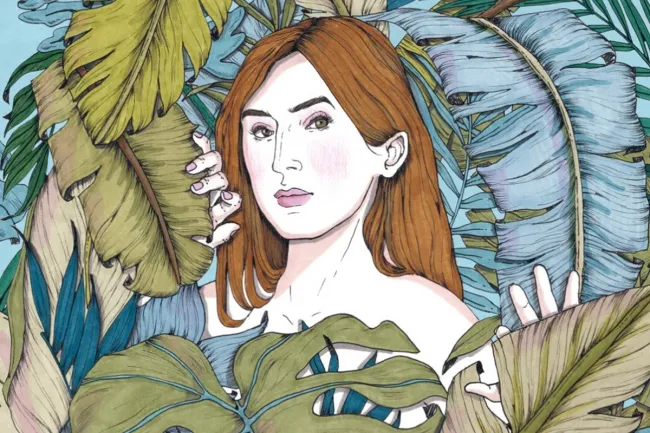
The book Fuera de mí (Outside Myself), by Violeta Gil and Ana Jarén, traces the lives of ten women from very different places and periods to reflect on women's mental health in relation to their social context, violence or creative work. It is not a treatise, nor a novel, nor an academic essay, but one possible account of how these women's condition was judged by those around them, and how that judgement shaped their lives and the place they came to occupy in the world.
It covers Natalie Wood, Sinéad O’Connor, Yayoi Kusama, Virginia Woolf, Agustina González, Carlota of Mexico, Mary Todd Lincoln, Simone Weil, Cheslie Kryst, Conce… Ten names, though there could have been many more.
‘The choice of these names was carefully considered and agreed, but there could have been others. In a sense, I would like to go on writing this book for years. Adding chapters every month, reading, researching, trying to understand. It is painful, but also a pleasure, to enter each of their worlds. They have gradually become characters, although my wish is that we can think about their physical reality, their humanity. They are characters, but they are, they were, people of flesh and blood, who were born, suffered, died, wore coats, bought bread… Some of the women in this book had complex clinical conditions; others were never diagnosed, or were misdiagnosed; some suffered from chronic depression, others fled from it as best they could all their lives. And although I cannot point to clear patterns leading to particular mental states, I can say that in most cases it was abuse, whether physical, mental or moral, that triggered the imbalance,’ reads the introduction.
Some of the women in the book
Carlota of Mexico was a princess of Belgium and Empress of Mexico. A strategist with liberal ideas, her story is marked by power, isolation and her mental health problems.
Cheslie Kryst, lawyer, model, television presenter and Miss USA. Her story deals with social pressure, racism, perfectionism, public image and loneliness.
Agustina González López, writer, painter, activist and thinker from Granada. A transgressive woman linked to feminism, futurism and theosophy, she was considered eccentric and treated for ‘hysteria’.
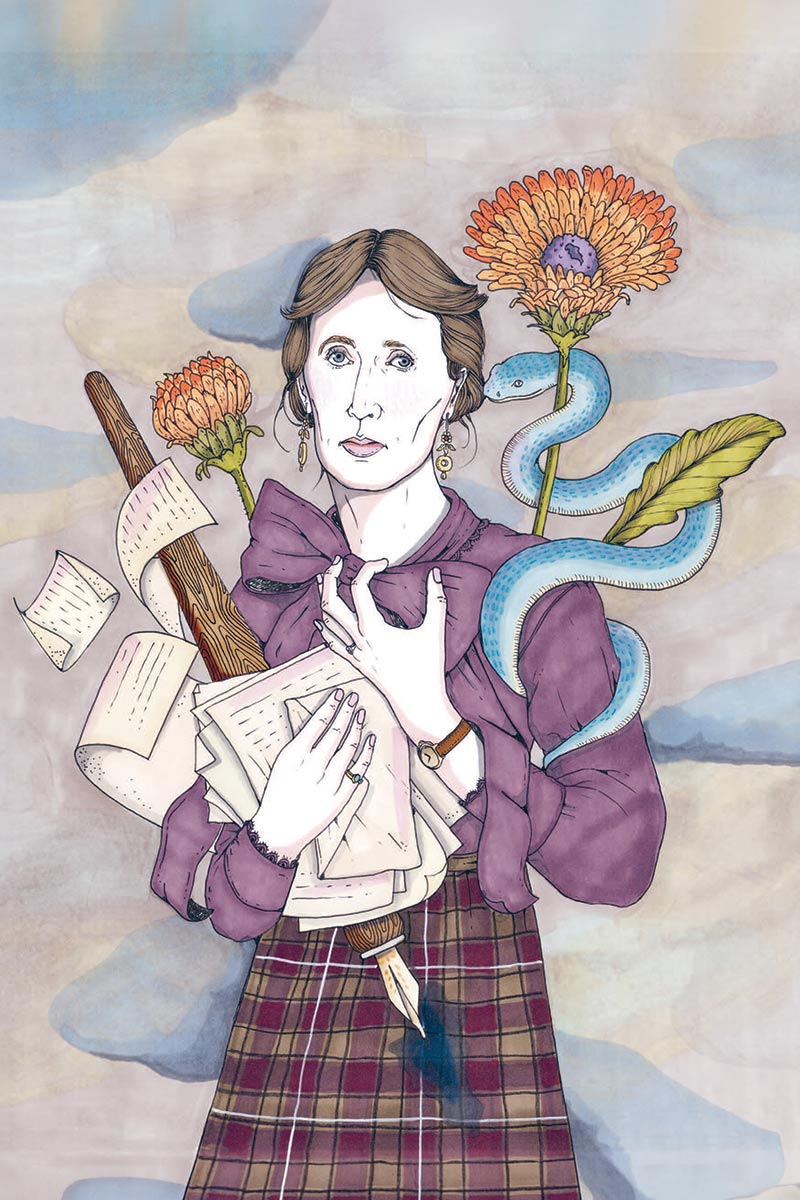
Virginia Woolf was a writer and one of the great literary figures of the 20th century. Her work is closely bound up with her crises and her inner world.
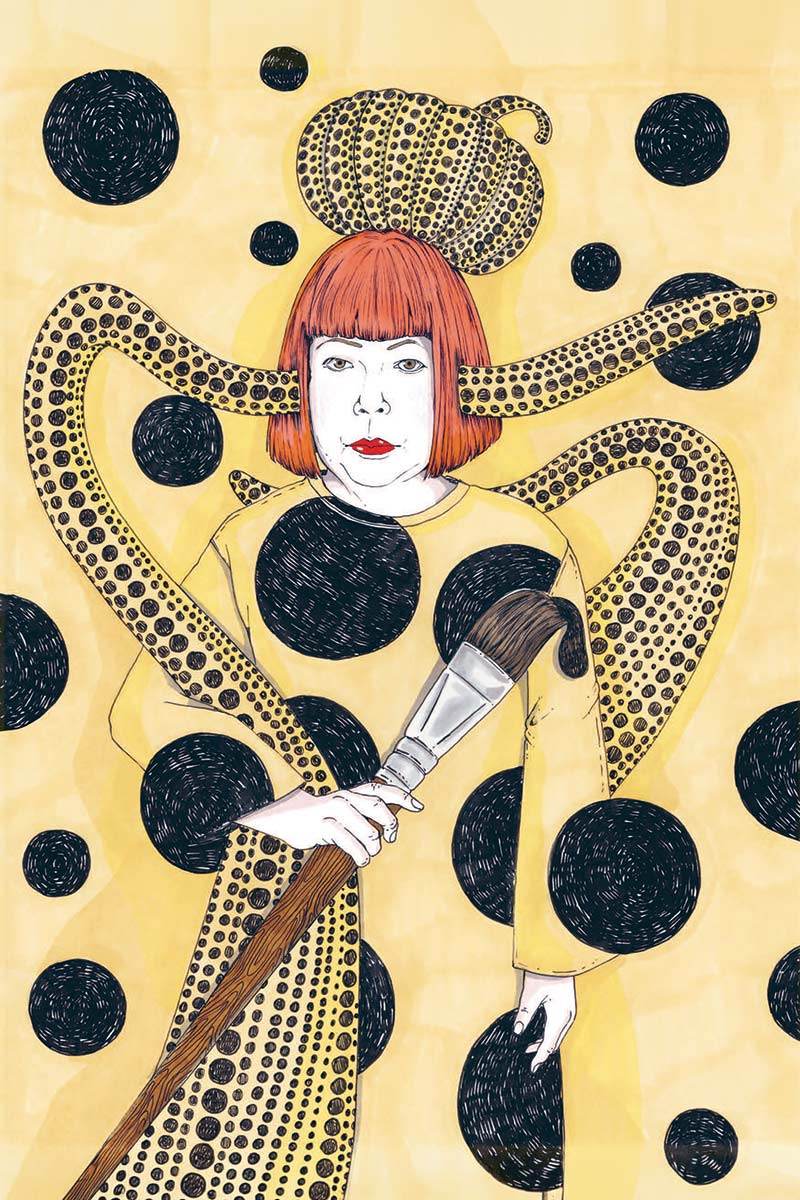
Yayoi Kusama was an artist and writer. From childhood she experienced obsessions and hallucinations. She used art as a way of confronting them and went on creating from a psychiatric hospital.
Natalie Wood, an actress who started in films at a very young age. Her story unfolded between fame, family control and her struggle to make her own decisions about her career and her life.
Sinéad O’Connor was a singer and songwriter. Her life was marked by family difficulties, and music and writing were important in her search for identity.
Simone Weil, philosopher, writer and activist. She became involved in politics and worked in a factory to learn about workers' conditions. Commitment and suffering stand out in her story.
Each from her own discipline, the authors explore the biography and personality of every one of these women and reveal a reality far more complex and disconcerting than we might imagine. From a 21st-century perspective, and through the humane and deeply sensitive gaze of literature and art, this book can help us to know them better, to understand them and, through that exercise, to understand better the times we live in.
Through its illustrations, Fuera de mí also reflects on the biases surrounding women and their mental health.

Fuera de mí: Diez historias de mujeres, locura y poder (Illustration)
Beside Myself: Ten Stories of Women, Madness and Power by Virginia Gil and Ana Jarén (hardback)
By Victoria Gil and Ana Jarén, in hardback.
An illustrated essay exploring how social and gender biases have shaped perceptions of women's mental health and influenced the lives of women throughout history.
This post contains affiliate links. If you make a purchase through them, we may earn a small commission at no extra cost to you. Our affiliate relationships do not influence our editorial decisions or the content we choose to publish.