
Al rescate del ajolote
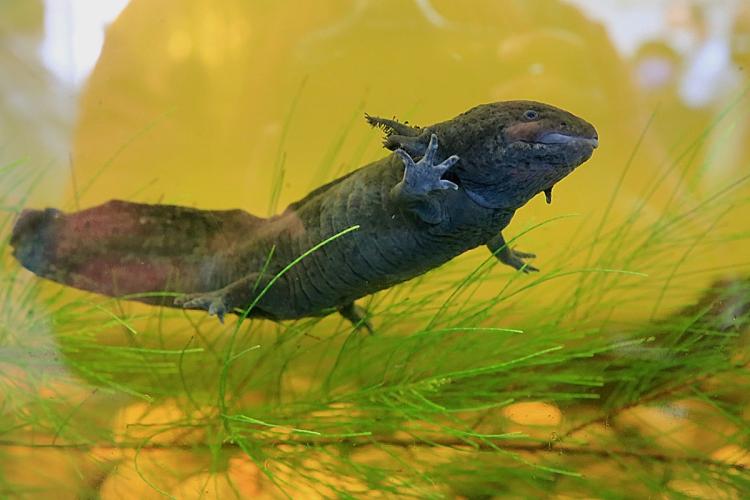
The axolotl is a species endemic to the lakes of the Valley of Mexico and Xochimilco in Mexico City.
LinkMyriam BO
The Cuemanco Centre for Biological and Aquaculture Research (CIBAC) aims to release 800 Ambystoma mexicanum specimens by the end of 2026.
The axolotl’s growing popularity as a cultural, tourist and commercial symbol of Mexico City presents an opportunity to raise awareness of its importance, but also carries risks associated with misinformation, excessive marketing and irresponsible trade, warned Dr José Antonio Ocampo Cervantes, head of the Cuemanco Centre for Biological and Aquaculture Research (CIBAC) at the Xochimilco Unit of the Universidad Autónoma Metropolitana (UAM).
In an interview, he explained that the “Casa abierta al tiempo” (House open to time) of Mexico’s Universidad Autónoma Metropolitana (UAM) has been promoting conservation programmes through CIBAC for more than three decades. As part of these efforts, work is under way to release around 800 Ambystoma mexicanum specimens into Lake Huetzalin in the district’s Ecological Park, with the aim of establishing a breeding group in the wild.
The project is the result of more than three years of environmental monitoring to assess factors such as water quality, food availability and the viability of the natural environment. The aim is to carry out the release towards the end of this year, before the start of the breeding season.
“If between 10 and 20 per cent manage to survive, it will be a very significant achievement because they could reproduce and contribute to restoring wild populations,” he said.
The initiative is supported through donations from the pharmaceutical company Boehringer Ingelheim, as well as through the academic collaboration of Dr Alfredo Cruz Ramírez of the Centre for Research and Advanced Studies (Cinvestav), who is involved in health and genetic-variability studies of the colonies maintained by the University.
Referring to the phenomenon known as “axolotlisation”, he said that although the animal’s image is used in advertising campaigns, articles and images, this popularity does not always translate into benefits for its conservation.
“Many people know the Mexican amphibian from video games, cartoons or promotional products, but that does not mean they understand its true situation in the wild or the problems facing its ecosystem.”
One of the main dangers, he added, is that growing demand for specimens as pets may encourage illegal capture or lead people to acquire them without understanding the specialised care they require. This is why it is important to obtain them from management facilities authorised by the Directorate-General for Wildlife, where their provenance and proper breeding are guaranteed.
Dr Ocampo Cervantes stressed that although the Xochimilco amphibian (Ambystoma mexicanum) is classified as endangered, this does not mean the species is likely to disappear biologically in the short term, since colonies exist in laboratories, aquariums and scientific research organisations in various countries around the world.
“The real risk is the ecological extinction of wild populations and the loss of their original home. If the places where they live disappear, a fundamental part of Mexico’s biological and genetic heritage will be lost.”
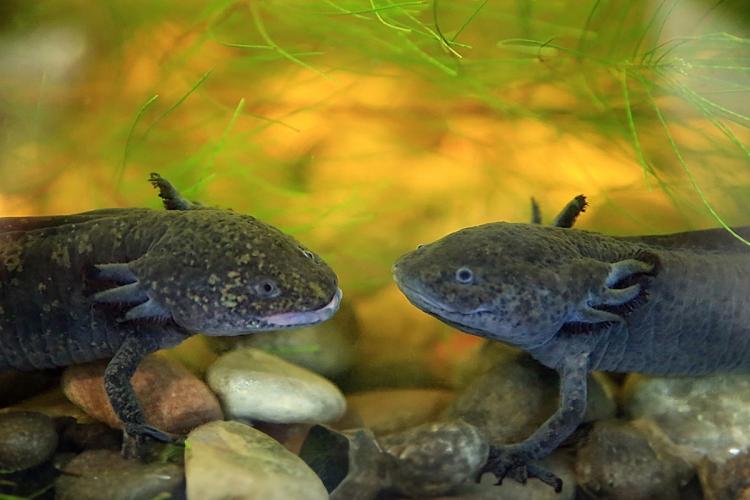
The researcher noted that Mexico is home to 17 species, 16 of which are endemic. Although most public attention is focused on the species found in that borough, other varieties remain poorly studied and face similar threats.
The main factors behind their decline include habitat loss and fragmentation, the reduction of bodies of water, pollution, pesticide use and the introduction of invasive species.
According to the specialist, their preservation depends on protecting the wetlands of Xochimilco, Tláhuac and neighbouring areas of Mexico City. He also called on the public to behave responsibly when visiting these natural areas and to avoid activities that contribute to environmental degradation.
“The axolotl is a symbol of national identity, but its conservation does not depend on it appearing on more products or in more campaigns. It depends on our ability to preserve the ecosystems where it still survives in the wild,” the expert said.